The KJ Method AKA Affinity Diagram #12
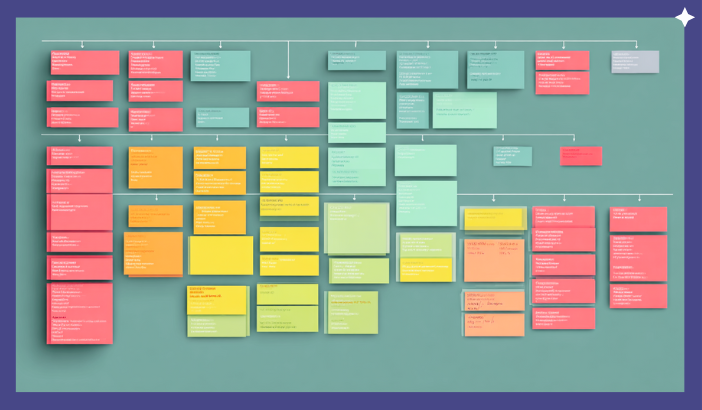
When you have 50+ ideas swirling and no clear path forward, the K-J Method (Affinity Diagram) helps you organise them into 5-7 actionable themes, turning chaos into clarity for product teams and mentors.

Hey everyone ☕
Ever stared at a Miro board or a whiteboard after a workshop and thought…
“Okay, we have hundreds of ideas. Now what?”
Those moments after a workshop when the wall looks like modern art... full of ideas, notes, and zero clarity?
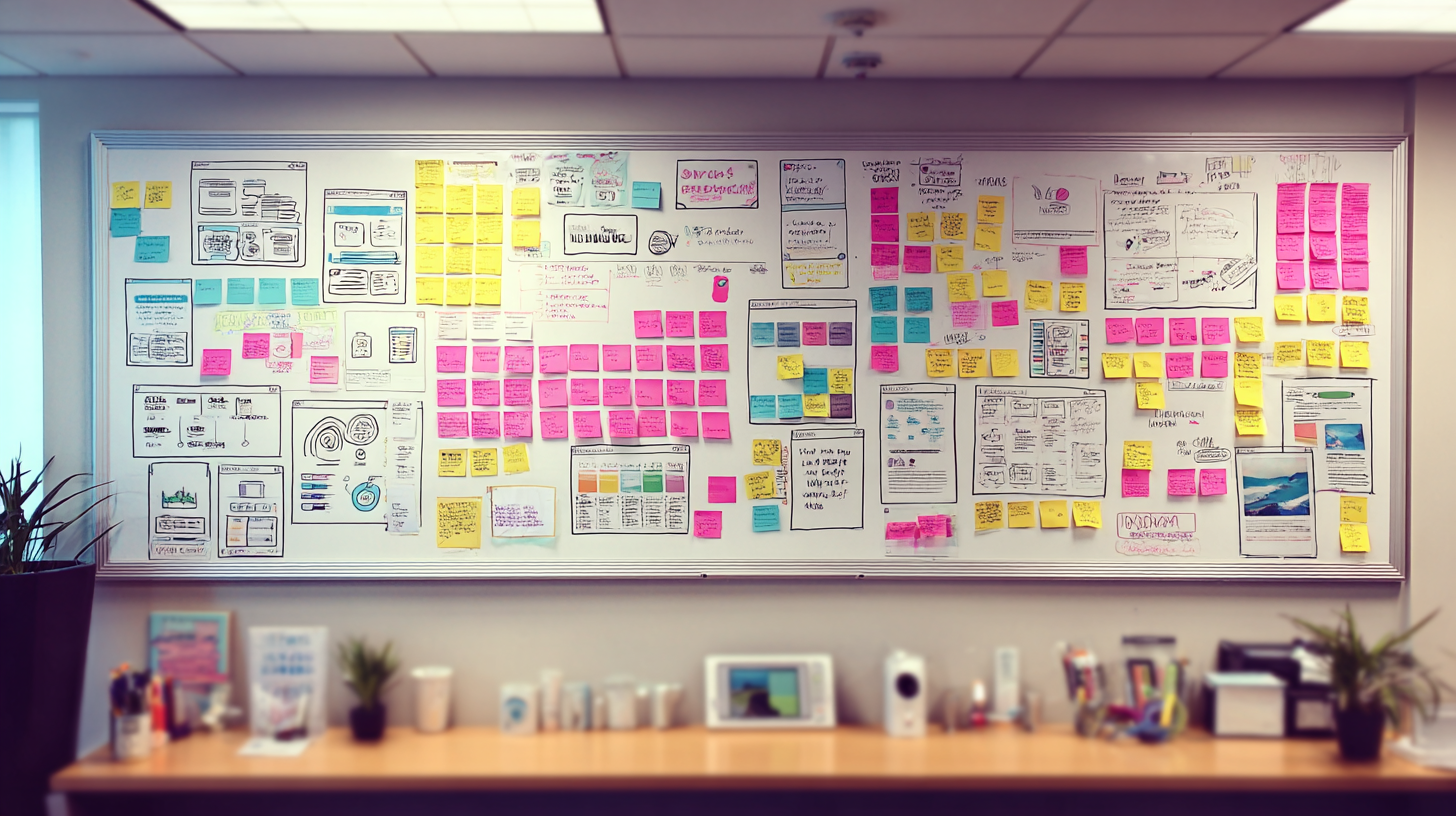
Yeah, that kind 🫣
“So… what do we actually do with all this?” 💭
Here’s a tool that turns that chaos into clarity. Fast! 🚀
Imagine taking 50+ raw notes from interviews, brainstorms, or feedback threads and watching them shape themselves into 5-7 clear themes... all in one session.
That’s the magic of the K‑J Method (also known as the Affinity Diagram).
Developed by Japanese anthropologist Jiro Kawakita, it’s one of those timeless techniques that keep teams aligned and decisions grounded.
It’s not fancy, but it works.
From chaos to clusters
Originally developed in the 1960’s, this method helps groups organise a large set of ideas or data into logical groups.
It’s completely bottom-up: you don’t impose themes. The themes emerge.
When to use it
- Post-ideation: you’ve run a brainstorming session or user research and you have dozens of cards or notes.
- When you need team alignment, everyone contributes to the grouping, which builds shared understanding.
- You’re facing high ambiguity or complex data sets: many voices, many ideas, no clear next step.
- Retrospectives! Same thing... You got the picture.

How it works (step-by-step)
Here’s how I usually guide a team/company through it:
- Gather and record
Ask participants to capture ideas or data points that come from research, feedback, one per sticky or virtual note. No discussion yet. - Silent grouping
Without a large discussion, the group (or individuals) cluster notes by similarity. No labels yet. Let patterns emerge. - Label/name clusters
Once grouping is complete, assign a label that captures the theme for each group, like Onboarding friction, Integration gaps, or Data visibility. - Discuss, then act
Review the clusters together. What surprised you? What themes connect?Choose 2-3 (or 3-5) clusters to focus on next, the ones that move the needle.
The result?
Instead of staring at a wall of noise, you walk away with a few clear themes, a narrative you can share with your team, investors, or stakeholders.
It’s clarity you can act on, not just talk about.
Why this method still matters
In today’s world:
- Remote/hybrid teams generate lots of ideas (Slack threads, Miro boards, survey feedback, Notion comments, etc.).
- Stakeholders from many functions demand clarity.
- The tool you use has to build shared meaning, not “my idea vs your idea”.
The K-J Method offers:
- Inclusivity: Everyone contributes to clustering.
- Clarity: You convert unstructured input into a visual map of themes.
- Actionability: The clusters become talking points for next steps, not just more ideas.
Practical tips
- Use a physical board (if co-located) or virtual board (Miro, Mural), depending on team setup.
- Avoid early labelling: Let items cluster freely before naming groups.
- Time-box the silent grouping stage: e.g., 15-20 minutes keeps energy up.
- Capture the board: take a photo or export the virtual board. It becomes your artefact for stakeholder alignment.
- In mentoring: Use this method to help mentees organise their learning goals, feedback items, or portfolio ideas.
- Revisit the clusters regularly (on a cadence the team agrees on).
Check: Did the themes hold up? Did they drive action? Reflection keeps them relevant.
Key takeaway
The K-J Method (Affinity Diagram) isn’t flashy, but it works.
When you have many ideas and low clarity, this method gives you structure, alignment and action.
Next time your board is full of unmapped sticky-notes, skip another brainstorming session. Start clustering instead.

Let’s Connect
If this sparked ideas for your product, or made you realize your team could use more clarity after those “post-it storms”, let’s connect.
I can help you turn this method into something your team actually uses, simple, structured, and repeatable.
I help teams bridge UX, business models, and product psychology, turning scattered insights into strategy that scales.
Or subscribe to this newsletter, where business and product meet.
No fluff. Just lessons you can apply tomorrow.
See ya!